
What UL 1017 is
UL 1017 is the safety standard used in North America for vacuum cleaners, blower cleaners and household floor finishing machines. It sits in the same role that IEC/EN 60335-2-2 plays in Europe: it addresses electric shock, fire, mechanical injury and abnormal operation of the appliance, with construction rules for the cord, the switch, the motor and the enclosure. Because the United States and Canada have their own electrical codes and their own plug and voltage conventions, the product must be designed for 120 V and 60 Hz mains, with the right plug, cord type and rating label, and the standard assumes those conditions.
The standard is the same document whichever laboratory tests to it. What differs is the mark that results. A listing means that a nationally recognised testing laboratory has tested the product against the standard, the factory has been inspected for production controls, and the product may carry the laboratory's mark with a file number. Retail chains and large online platforms often ask for the listing document before accepting a vacuum cleaner for sale.
Listing, ETL and cETL in plain terms
| Term | What it means | Buyer note |
|---|---|---|
| UL listing | Testing to UL 1017 and a follow-up factory inspection programme, with a file number | Widely recognised by retailers |
| ETL listing | Testing to the same standard by another recognised laboratory, with its own mark | An accepted alternative route in the United States |
| cETL | The same route extended to Canadian requirements | Used for Canadian sales |
| Field evaluation | Inspection of an installed product, not a design listing | Not a substitute for a listing on retail products |
| Component recognition | Approval of parts such as cords, switches or motors | Helps the listing, but is not the product listing |
The choice between routes is usually made by the importer, based on what the retail customer will accept and what the plant has on file. Some plants already hold a listing for a platform and can extend it to a private label name; others need to start with sample testing. As a reference, a UL or ETL route commonly takes about 4-8 weeks, depending on sample readiness and laboratory queues, and the figure is confirmed in writing for each program.
What the testing looks at
In general terms, laboratory work for a vacuum under this standard includes electrical tests such as dielectric strength and leakage, temperature tests during normal and abnormal operation, mechanical tests on guards and housings, cord and strain relief tests, and a review of the marking and instructions. Critical components such as the motor, the switch, the cord set and the thermal protector are checked against their own approvals, which is why the critical components list matters. A plant that substitutes a cord supplier after listing may find that the follow-up inspection raises it. Importers should ask for the listing file number, the model list covered, and the date of the most recent inspection.
Cordless machines and robots
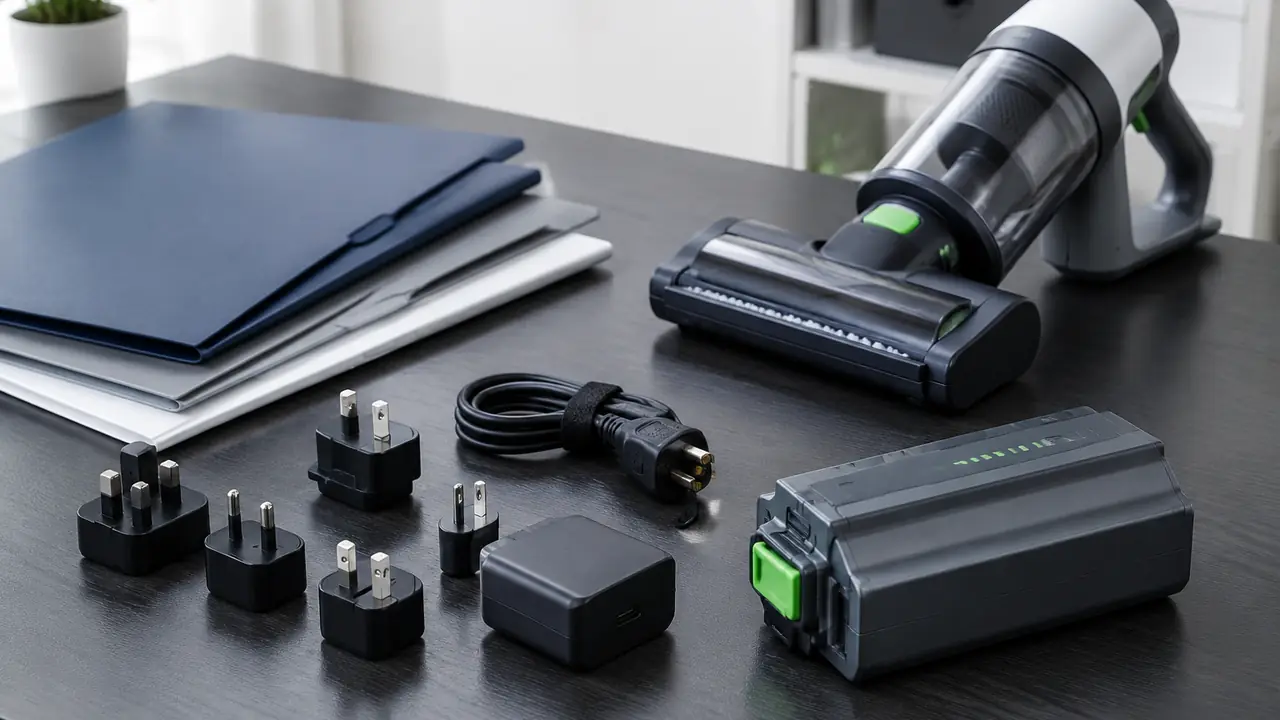
For a cordless vacuum the appliance listing is only part of the story. The battery pack falls under a battery standard, typically UL 2054 for household and commercial batteries or UL 62133 for portable sealed cells, and the charger is evaluated separately, commonly under UL 62368-1 or an appliance charger standard. Many laboratories will test the pack together with the appliance, and others will accept a pack that already has its own listing. Transport is another matter: UN 38.3 is required for shipping lithium batteries and is not a substitute for UL battery work. The overview is in UN 38.3 and IEC 62133 battery tests. A robot with Wi-Fi also needs the FCC route for the radio, set out in CE RED and FCC for robot vacuums.
Practical points for a sourcing brief
- Name the voltage and plug. A 120 V North American model has a different motor winding, plug and label from a 230 V export model.
- State which laboratory route the customer accepts, UL or ETL, before the plant selects a laboratory.
- Ask whether the listing covers the private label model name and the colour variants, or only the original platform.
- Request the listing document, the file number and the list of models covered.
- Check that the rating label, the manual and the packaging use the same model number as the listing.
- Confirm that the battery pack and the charger have their own approvals and that the model on the label matches.
Why the 120 V design matters early
A North American vacuum is not simply a European model with a different plug. The motor is wound for a different supply, the rated current is higher for the same power, and the cord gauge, the switch rating and the thermal protector must be chosen for that current. The cord length, the plug type and the strain relief are checked by the laboratory, and the label states volts, hertz and amperes in the expected format. Plants that mainly build 230 V models sometimes treat the 120 V version as a quick variant, and the first sample then fails temperature or cord tests. Asking early whether the plant has built and listed a 120 V version of the platform shortens the project more than any other single question.
Labelling and documents at import
The mark on the product is only useful if the paperwork matches it. At import, the commercial invoice, the packing list and the label should use the same model identifiers as the listing file. The importer of record is responsible for the product that enters the country, and the broker will ask for the documents that support the declaration. Customs treatment is a separate subject, covered in general terms in importing vacuums into the US and HS codes for vacuum cleaners and parts; the desk does not give rates or legal advice and confirms points with the broker.
How the desk handles it
The desk collects the listing documents from each shortlisted partner plant, checks that the model, the battery and the charger are covered, and records any gaps before the sample order. If a listing must be started, the schedule for testing is inserted into the sample plan and shown against the target launch date. During the testing and inspection stage, the label and the construction of the pre-shipment unit are compared with the listed construction. The wider list of approvals is on the compliance and certifications page and the market map is in the certifications guide. Vaculent holds no certificates; partner plant documents are verified per project. To start a brief, use the quote form and state UL or ETL as the target route, then check quantities and timing against MOQ and lead time.